







In the ever-evolving world of architecture and interior design, natural stone remains a timeless choice for its durability, aesthetic appeal, and sustainability. According to a 2025 report from the Natural Stone Institute, the global natural stone market is projected to grow by 5.2% annually, driven by eco-friendly building trends and the rise of luxury home renovations. Whether you’re a homeowner planning a kitchen remodel or an architect sourcing materials for a commercial project, understanding the types of natural stone is crucial. This guide, brought to you by IWC Stone – a leading supplier of premium natural stones – will explore the most popular varieties, their properties, applications, and tips for selection. We’ll also highlight sustainable options amid the 2025 push for green building materials.
Natural stone is quarried directly from the earth, offering unique veining, colors, and textures that synthetic materials can’t replicate. Unlike engineered stones, natural options like marble and granite provide superior heat resistance and longevity, often lasting over 50 years with proper care. A recent USGS report notes that natural stone extraction has become more sustainable, with reduced water usage in quarrying by up to 30% in modern facilities. Key benefits include:
At IWC Stone, we source our stones from top quarries worldwide, ensuring quality and ethical practices. Link to our products page.
Let’s dive into the main categories, based on geological classifications and 2025 market trends.
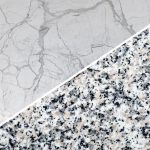
Marble, formed from metamorphosed limestone, is prized for its luxurious veining and polished finish. In 2025, white Carrara marble remains a bestseller for its timeless appeal in bathrooms and sculptures, with global demand up 8% due to minimalist design trends (Stone World Magazine).
Example: Our Calacatta marble slabs are perfect for modern interiors. View our marble collection.

Granite, an igneous rock, is one of the hardest natural stones (Mohs 6-7), making it a staple for heavy-use areas. The International Granite Association reports a 12% increase in granite exports in 2025, fueled by commercial projects in Asia and the Middle East.
At IWC Stone, our granite options include imported varieties from Brazil. Explore granite products.

Travertine, a sedimentary stone from mineral springs, features natural pits and a warm, earthy tone. Popular in Mediterranean designs, its market has grown 7% in 2025 for outdoor applications (per Global Stone Market Report).
Check out our travertine tiles for your next project. Link to travertine.

Onyx, a banded variety of chalcedony, offers translucency for backlit features. Emerging trends show a 15% rise in onyx use for luxury lighting in 2025 (Design Milk trends).
We specialize in rare onyx at IWC Stone. See our onyx selection.

With climate concerns, 2025 sees a shift to recycled stone composites and quarries with low emissions. Slate and quartzite are gaining traction for their weather resistance in outdoor builds.
Consider factors like location (indoor vs outdoor), budget, and maintenance. Test samples for porosity using the lemon juice test. For sustainability, look for certifications like ISO 14001. At IWC Stone, our experts can guide you – contact us for a free consultation.
Natural stone offers unmatched beauty and functionality for any project. From marble’s elegance to granite’s toughness, the options are endless. As trends evolve in 2025 toward sustainability, choosing quality suppliers like IWC Stone ensures long-term value. Ready to elevate your space? Browse our full catalog or get in touch today!