






Dubai’s luxury villas represent the pinnacle of opulent living, blending modern architecture with timeless elegance. In this desert oasis, where temperatures soar and architectural grandeur reigns supreme, selecting the right materials is crucial for both aesthetics and functionality. Travertine, a natural stone revered for its beauty and durability, has become a favorite among architects and homeowners in the UAE. But how do you choose the best travertine for your Dubai villa? This comprehensive guide will walk you through everything you need to know, from understanding the stone’s properties to selecting the ideal type for your project.
Travertine is not just a building material; it’s a statement of sophistication. Sourced from quarries around the world, including premium options from Iran, Turkey, and Italy, it offers a unique porous texture that adds character to any space. In Dubai’s high-end residential areas like Palm Jumeirah and Dubai Hills Estate, travertine is often used for flooring, cladding, and outdoor features, enhancing the luxurious ambiance while standing up to the harsh climate. Whether you’re renovating a sprawling villa or building a new one, choosing the right travertine can elevate your property’s value and appeal.
With the UAE’s construction boom, demand for high-quality travertine has surged. Suppliers in Dubai offer a range of options, but discerning buyers look for stones that combine aesthetic versatility with practical benefits. This article, optimized for those searching “best travertine for Dubai villas” or “choosing travertine stone UAE,” will help you make an informed decision.
Travertine is a form of limestone formed by mineral springs, particularly hot springs, depositing calcium carbonate over time. This process creates a stone with natural voids and a fibrous texture, giving it a distinctive look that’s both rustic and refined. Unlike marble or granite, travertine is more porous, which contributes to its unique patterns but also requires proper sealing for longevity.
There are two main geological types: thermal travertines, formed in hot water environments, and those created at room temperature. The stone’s color variations stem from mineral impurities, ranging from creamy beiges to deep reds. For luxury villas in Dubai, travertine’s natural elegance aligns perfectly with Mediterranean-inspired designs, which are popular in areas like Emirates Hills.
Grades of travertine include premium (first-grade with minimal flaws), standard, and commercial. Premium-grade is ideal for high-visibility areas in villas, ensuring fewer pits and a more uniform appearance. When sourcing, consider origins: Iranian travertine, like that from IWC Stone, offers excellent quality at competitive prices, with colors such as white and cream that suit Dubai’s bright, sunlit interiors.
Travertine’s versatility extends to both interior and exterior applications, making it a go-to choice for seamless indoor-outdoor living spaces common in Dubai villas.
Dubai’s scorching summers, with temperatures often exceeding 40°C, demand materials that can withstand heat without compromising comfort. Travertine excels here, staying cool underfoot even in direct sunlight—a key advantage for pool decks and patios. Unlike darker stones that absorb heat, travertine’s light colors reflect sunlight, helping regulate indoor temperatures and reducing cooling costs in luxury villas.
Its durability in extreme weather is another plus. Travertine resists cracking from temperature fluctuations and handles humidity well when sealed properly. In hot climates like Dubai, it absorbs less heat than concrete or brick, making barefoot walks around the pool enjoyable. Additionally, its natural slip-resistance, especially in honed or tumbled finishes, enhances safety in wet areas.
Sustainability is a growing concern in UAE developments. Travertine is eco-friendly, with a lower carbon footprint than synthetic materials, and its thermal insulation properties promote energy efficiency. For luxury villas, this means a material that’s not only beautiful but also aligns with green building standards like those in Dubai’s sustainable city initiatives.
Selecting the right type of travertine involves understanding variations in cut, grade, and origin. Vein-cut travertine is sliced along the natural layering, creating linear patterns ideal for modern villa facades. Cross-cut, on the other hand, reveals a more mottled, cloudy appearance suited for traditional designs.
Popular types include:
Grades matter too: Premium for flawless luxury applications, standard for cost-effective options. For Dubai villas, Iranian white travertine, like Natanz White from IWC Stone, offers high durability and aesthetic appeal.

Finishes include polished (glossy for interiors), honed (matte for floors), tumbled (antique look for exteriors), and brushed (textured for grip). In Dubai’s climate, honed or tumbled finishes are recommended for outdoor use to prevent slipping.
Colors should complement Dubai’s sun-drenched landscapes. Light beiges and creams reflect heat, while silvers add a modern edge. For luxury villas, white travertine creates a clean, expansive feel in living areas.
Finishes affect both look and maintenance. Polished travertine shines in indoor spaces but can be slippery outdoors. Honed provides a subtle sheen, ideal for high-traffic villa floors. Tumbled offers an aged, luxurious patina perfect for heritage-inspired designs.
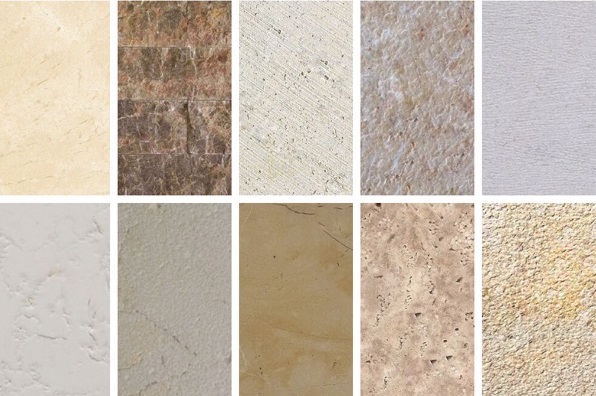
Match finishes to your villa’s style: modern minimalism favors honed silver, while opulent estates suit polished walnut.
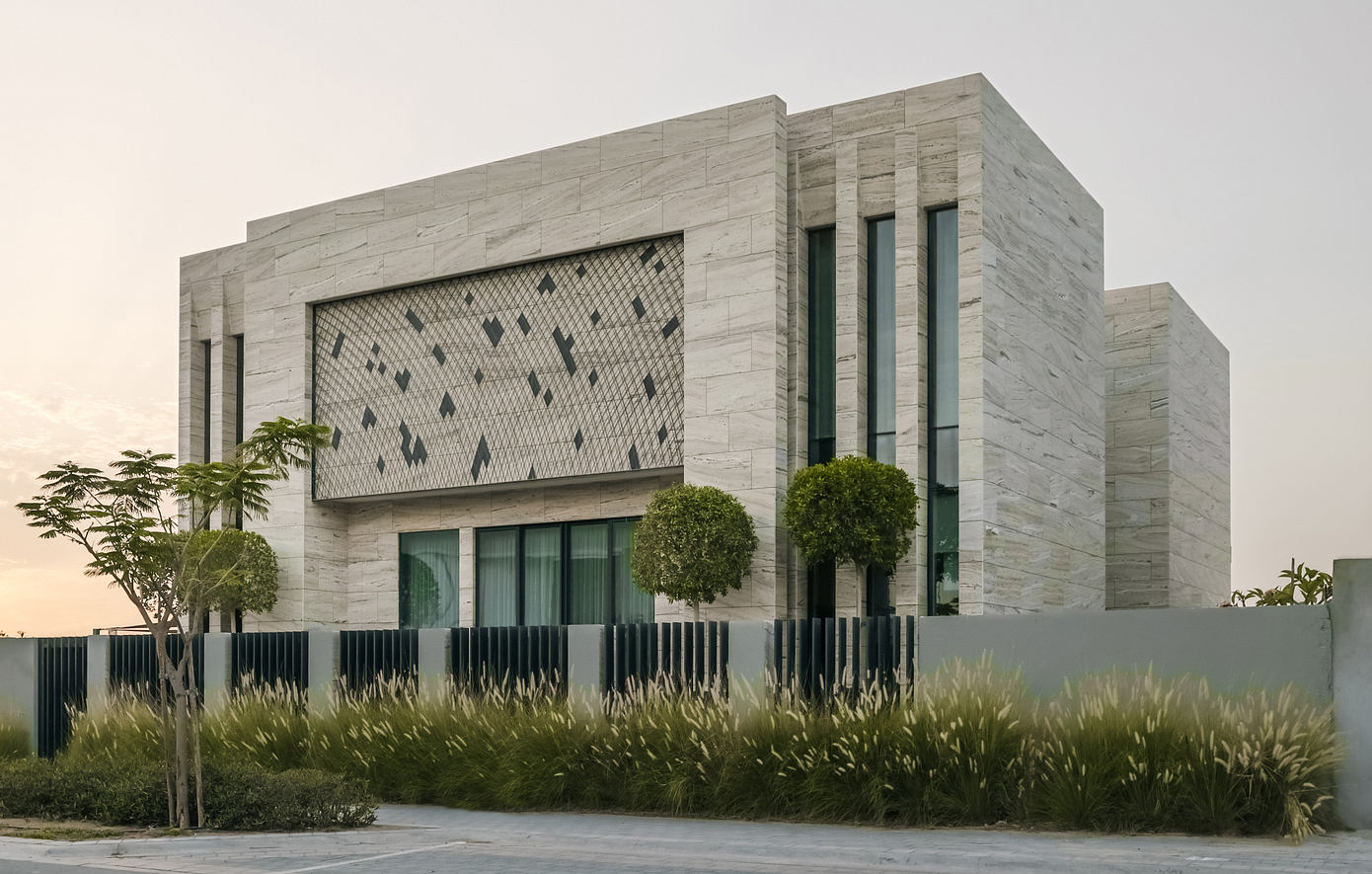
In Dubai villas, travertine shines in multiple roles. For exteriors, use it for facades and cladding to create a grand entrance, as seen in projects like P56 Villa. Indoor flooring in living rooms and kitchens benefits from its cool touch.
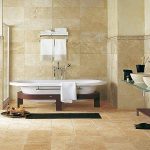
Pool areas and patios are prime spots, where travertine’s heat resistance and non-slip properties excel. Wall cladding in bathrooms adds spa-like luxury, and countertops provide durable elegance.

Integrate travertine with glass and wood for seamless transitions in open-plan villas.
Budget: Premium Iranian travertine offers value. Quality: Check for uniform color and minimal voids.
Durability: Ensure sealing for Dubai’s humidity. Aesthetics: Sample in natural light.
Supplier reputation: Opt for established UAE suppliers like those sourcing from Iran.
Installation: Professional teams prevent issues.
Regular sweeping and mopping with pH-neutral cleaners keep travertine pristine. Seal every 1-2 years to protect against stains. Avoid acidic products.
For outdoor areas, rinse off sand and reseal annually.
Look to suppliers like Marmara Marble & Granite or IWC Stone for Iranian options. Visit showrooms to see samples.
Choosing the best travertine for your Dubai luxury villa involves balancing beauty, durability, and climate suitability. With its cooling properties and elegant finishes, travertine enhances any high-end property. Consult experts and source from reliable suppliers to ensure your investment lasts. For more on premium travertine, explore options at iwcstone.com.